How Safe Is Mole Removal? What to Expect Before, During & After
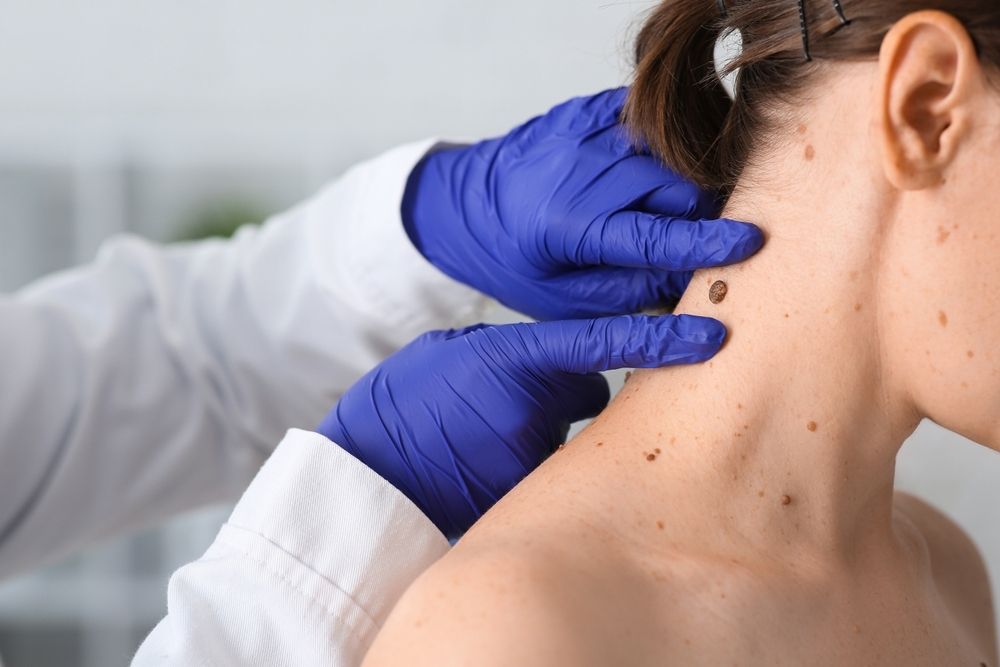
Mole removal is a common and generally very safe procedure when performed by a qualified medical professional. As a minor surgical procedure, it is typically completed in-office under local anesthesia, allowing patients to return home shortly afterward. Choosing an experienced plastic surgeon is especially important when removing moles from highly visible areas such as the face, neck, or chest.
Before the Procedure: Evaluation and Planning
Every mole removal begins with a thorough clinical evaluation. Our plastic surgeon will carefully examine the mole’s size, shape, color, and borders to determine whether it appears benign or requires further testing. If there is any concern, the removed tissue may be sent to a pathology lab for analysis.
The method of removal depends on the mole’s depth, size, and location. Raised moles may be treated with a shave excision, while deeper or potentially atypical moles often require a surgical excision that removes the mole along with a small margin of surrounding tissue. Preparation is typically minimal. Patients may be advised to avoid certain blood-thinning medications, arrive with clean skin, and disclose any relevant medical history or medications prior to treatment.
During the Procedure: What to Expect
Mole removal is usually quick and straightforward. The area is first numbed with a local anesthetic to ensure comfort throughout the procedure. You may feel slight pressure, but pain is minimal.
Depending on the technique selected, the mole is either shaved flush with the skin’s surface or surgically excised. If sutures are necessary, they are carefully placed to support proper healing and reduce visible scarring. Once complete, the area is dressed with a bandage. Most procedures take between 30 and 60 minutes.
After the Procedure: Recovery and Healing
Recovery following mole removal is typically simple and manageable. Mild soreness, redness, or slight swelling may occur once the anesthesia wears off. Over-the-counter pain relievers are usually sufficient if discomfort arises.
Patients will receive detailed aftercare instructions, which may include keeping the area clean, applying antibiotic ointment, changing dressings as directed, and protecting the site from sun exposure. If stitches were placed, they are generally removed within one to two weeks, depending on the location.
While all minor surgical procedures carry some risk of scarring, careful technique and proper aftercare significantly minimize this concern. Over time, most scars fade and become less noticeable.
When Should You Consider Mole Removal?
It is important to seek evaluation if a mole changes in size, shape, or color, develops irregular borders, begins to itch or bleed, or grows rapidly. These changes may require further medical assessment. Even if your concern is cosmetic rather than medical, removal can be safely performed with thoughtful planning and professional care.
Experience Expert Mole Removal with Confidence
Mole removal is a safe and routine minor surgical procedure when performed by an experienced provider. From consultation through recovery, understanding what to expect helps patients feel informed and confident in their decision.
If you have a mole that concerns you or are considering removal for cosmetic reasons, schedule a consultation at East Bay Plastic & Reconstructive Surgery to receive a personalized evaluation and expert care. Visit our office in Oakland, California, or call (510) 451-6950 to book an appointment today.
Sweat, Makeup, and Summer Break: How to Manage Botox and Filler Aftercare During a Bay Area July
Author:East Bay Plastic & Reconstructive SurgeryDate:2026-07-22July in the Bay Area brings warmer afternoons, outdoor plans, travel, and a busier social calendar. If you are scheduling Botox or dermal fillers during the summer, the treatment itself may be quick, but careful aftercare still matters. Heat, perspiration, sun exposure, makeup, and exercise can affect your comfort during the first hours or days after injectable treatment.
Is It a Mole or Sun Damage? Tracking New Spots After Hiking Oakland’s East Bay Trails
Author:East Bay Plastic & Reconstructive SurgeryDate:2026-06-29Spending time outdoors is one of the best parts of living near Oakland’s East Bay trails. From sunny hikes to weekend walks, your skin is exposed to UV rays more often than you may realize. Over time, that exposure can lead to new spots, darker patches, or changes in existing moles. While many spots are harmless, knowing the difference between a mole and sun damage can help you decide when it is time to have your skin evaluated.
Why You Shouldn’t Try to Pop or Drain a Cyst at Home
Author:Date:2026-05-19Cysts can be frustrating, especially when they become noticeable, tender, or irritated. While it may be tempting to pop or drain a cyst at home, doing so can make the problem worse. Cyst removal should be handled with proper medical care to reduce the risk of infection, scarring, and recurrence. At East Bay Plastic & Reconstructive Surgery, cyst evaluation and treatment are performed with a careful approach focused on safety, precision, and natural-looking healing.
Why Outpatient Minor Surgery Often Feels More Manageable Than Expected
Author:Date:2026-04-28Outpatient minor surgery is designed to be efficient, carefully planned, and easier to recover from than many people expect. Whether you are having a small cosmetic procedure or a minor reconstructive treatment, our goal is to keep you comfortable at every stage. At East Bay Plastic & Reconstructive Surgery, we help patients understand what to expect before surgery so they can feel prepared, informed, and more at ease.
How Safe Is Mole Removal? What to Expect Before, During & After
Author:East Bay Plastic & Reconstructive SurgeryDate:2026-03-06Mole removal is a common and generally very safe procedure when performed by a qualified medical professional. As a minor surgical procedure, it is typically completed in-office under local anesthesia, allowing patients to return home shortly afterward. Choosing an experienced plastic surgeon is especially important when removing moles from highly visible areas such as the face, neck, or chest.
What Is the Process for Cyst Removal?
Author:East Bay Plastic & Reconstructive SurgeryDate:2026-01-17If you have a cyst that is painful, growing, or concerning, schedule a consultation with East Bay Plastic & Reconstructive Surgery today. Visit our office in Oakland, California, or call (510) 451-6950 to book an appointment.
Mole Removal: When to Consider It and What to Expect
Author:East Bay Plastic & Reconstructive Surgery Date:2025-12-18If you are concerned about a mole or are considering removal, schedule a consultation at East Bay Plastic & Reconstructive Surgery today. Visit our office in Oakland, California, or call (510) 451-6950 to book an appointment.
Reveal Smoother, Younger-Looking Skin: The Benefits of Laser Skin Resurfacing
Author:Douglas Chin, M.D., F.A.C.S., C.A.Q.H.Date:2025-11-21How Breast Augmentation Can Impact Confidence and Body Image
Author:East Bay Plastic & Reconstructive Surgery Date:2025-10-28If you’re considering breast augmentation, contact East Bay Plastic & Reconstructive Surgery to schedule your consultation and take the next step toward renewed confidence. Visit our office in Oakland, California, or call (510) 451-6950 today.
Smooth, Firm, and Clear: How INFINI Targets Multiple Skin Issues in One Treatment
Author:Douglas Chin, M.D., F.A.C.S., C.A.Q.H.Date:2025-09-17When it comes to skin rejuvenation, many treatments focus on just one issue - whether it’s wrinkles, uneven tone, or skin laxity. INFINI sets itself apart by addressing multiple concerns at once, giving patients smoother, firmer, and clearer skin in a single treatment plan.
What Is Brotox? Why More Men Are Turning to Botox
Author:East Bay Plastic & Reconstructive SurgeryDate:2025-08-26In recent years, Botox has moved beyond being seen solely as a treatment for women. More men are now embracing this popular injectable, leading to the rise of the term “Brotox.” With shifting attitudes around self-care and appearance, men are increasingly recognizing the benefits of Botox to maintain a youthful, refreshed look.
How Does INFINI Help Reverse the Signs of Aging?
Author:East Bay Plastic & Reconstructive SurgeryDate:2025-07-21Aging is a natural process, but for many, the visible signs can have a real impact on confidence. While there are many cosmetic treatments available today, not all are equally effective or safe for all skin types. INFINI, a breakthrough in non-surgical facial rejuvenation, is changing that by combining advanced microneedling with radiofrequency technology.
The Benefits of INFINI Laser for Non-Surgical Skin Tightening and Rejuvenation
Author:East Bay Plastic & Reconstructive SurgeryDate:2025-06-12As we age, our skin naturally loses elasticity, leading to fine lines, wrinkles, and sagging. While surgical options are available, many individuals are now seeking non-invasive solutions with minimal downtime. One innovative treatment that has gained attention is INFINI Laser, a cutting-edge technology that combines microneedling with radiofrequency (RF) energy for skin tightening and rejuvenation.
Are You a Candidate for a Breast Lift? Key Signs to Consider
Author: East Bay Plastic & Reconstructive SurgeryDate:2025-05-23As your body changes over time, so can the appearance of your breasts. Whether due to aging, pregnancy, weight loss, or genetics, many women experience sagging or a loss of shape and firmness in their breasts. If you're noticing these changes and wondering whether a breast lift could help, understanding the signs that you may be a candidate is an important first step.
How Chemical Peels Work: Are They Good For Your Skin?
Author:Bay Plastic SurgeryDate:2025-04-09If you are looking for a way to refresh your complexion and improve the overall health of your skin, chemical peels might be the solution. These popular treatments are often recommended by dermatologists and skincare professionals for a wide range of concerns including acne scars, uneven tone, sun damage, and fine lines.
Rhinoplasty at East Bay: Improve Breathing, Sleep, and Boost Your Confidence
Author:Bay Plastic & Reconstructive SurgeryDate:2025-03-20If you’ve ever struggled with nasal congestion, difficulty breathing, or felt self-conscious about the shape of your nose, you’re not alone. In the Oakland area, where an active lifestyle is part of everyday life, being able to breathe freely and feel good about your appearance matters. At East Bay Plastic & Reconstructive Surgery, we specialize in rhinoplasty procedures that don’t just enhance facial harmony but also improve function—helping you breathe better, sleep more soundly, and step out with confidence.
SmartLipo: A Modern Fat Reduction Treatment That Delivers Noticeable Results
Author:Bay Plastic SurgeryDate:2025-02-24In the pursuit of a sculpted physique, many individuals turn to non-invasive or minimally invasive procedures to refine their body contours. Traditional liposuction has long been a popular option, but advances in technology have introduced more precise and less invasive alternatives. One such innovation is SmartLipo™, a laser-assisted liposuction technique that effectively removes unwanted fat while promoting skin tightening.
Why Lip Injections Are the Fastest Growing Cosmetic Trend
Author:Date:2025-01-22Full, well-defined lips have become a hallmark of modern beauty, and it’s no surprise that lip injections are one of the fastest-growing cosmetic treatments today. With the rise of social media, celebrity influence, and advancements in non-surgical aesthetic procedures, more people are turning to lip fillers to enhance their appearance with minimal downtime.
The Ultimate Guide to Breast Augmentation Surgery
Author:Bay Plastic SurgeryDate:2024-12-17Breast augmentation is one of the most popular cosmetic procedures worldwide, offering women the opportunity to enhance their confidence and achieve their aesthetic goals. At East Bay Plastic & Reconstructive Surgery, we believe that making an informed decision is key to a successful outcome.
Exploring the Science Behind INFINI RF Microneedling: How It Works and Its Benefits
Author:Bay Plastic SurgeryDate:2024-11-11INFINI RF Microneedling has gained recognition in the aesthetic world for its ability to rejuvenate the skin, tighten sagging areas, and improve the overall texture and tone. For patients seeking non-surgical facial rejuvenation, INFINI RF offers a scientifically advanced approach that combines microneedling with radiofrequency (RF) energy to deliver transformative results. Let’s dive into the science behind this innovative procedure and explore how it can help you achieve smoother, firmer, and more youthful-looking skin.
Navigating the Ear Surgery Process: A Step-by-Step Guide
Author:Bay Plastic SurgeryDate:2024-10-30Ear surgery, also known as otoplasty, can be a life-changing procedure for those looking to improve the appearance of their ears. Whether it's correcting prominent ears, reshaping them, or addressing other cosmetic or reconstructive concerns, otoplasty can help boost confidence and enhance your overall look. If you're considering ear surgery at East Bay Plastic & Reconstructive Surgery, understanding the process can help you feel more at ease. Here’s a step-by-step guide to navigate your ear surgery journey.
Discover Kybella for Double Chin Removal
Author:Date:2024-09-30Dealing with a double chin can be a source of insecurity and self-consciousness for many individuals. This common aesthetic concern can have a significant impact on one's appearance and self-confidence. However, there is a solution that is gaining popularity among those seeking to address this issue - Kybella.
How Does Infini Help Skin Rejuvenation?
Author:East Bay Plastic & Reconstructive SurgeryDate:2024-08-27As we age, our skin inevitably goes through various changes that can impact its appearance and overall health. From fine lines and wrinkles to loss of elasticity and uneven skin tone, the signs of aging can be a source of concern for many individuals. However, there is a revolutionary treatment that can help address these issues and restore a more youthful, radiant complexion - Infini radiofrequency microneedling.
What Are Facial Implants?
Author:East Bay Plastic & Reconstructive SurgeryDate:2024-07-30Facial implants have become an increasingly popular option for individuals seeking to enhance their facial features. These implants are made of safe, biocompatible materials that are surgically placed in specific areas of the face to create a more defined, symmetrical, and youthful appearance. Whether you're looking to improve the appearance of your cheeks, chin, or jaw, facial implants can be a transformative solution.
How Often Do You Need a Chemical Peel to See Results?
Author:East Bay Plastic & Reconstructive SurgeryDate:2024-06-25Chemical peels have become increasingly popular in recent years as a safe and effective way to improve the appearance of your skin. Whether you're looking to address fine lines and wrinkles, uneven skin tone, or stubborn acne, a properly administered chemical peel can work wonders. But how often do you need to undergo this treatment to see the desired results?
What Skin Issues Can Be Treated with INFINI?
Author:East Bay Plastic & Reconstructive SurgeryDate:2024-05-29INFINI is a revolutionary skin treatment that utilizes radiofrequency (RF) technology to address a wide range of skin concerns. This innovative procedure has gained significant attention in the cosmetic industry for its ability to tackle various skin issues effectively. Whether you're struggling with acne scars, wrinkles, fine lines, or uneven skin tone, INFINI may be the solution you've been searching for.
Ultrasonic Liposuction: Understanding the Procedure
Author:East Bay Plastic & Reconstructive SurgeryDate:2024-04-22Are you struggling to get rid of stubborn fat deposits despite dieting and exercising regularly? If so, ultrasonic liposuction may be the solution for you. Ultrasonic liposuction is a popular cosmetic procedure that uses ultrasonic waves to break down and remove excess fat from specific areas of the body.
Transforming Confidence: How Otoplasty Can Benefit Children
Author:East Bay Plastic & Reconstructive SurgeryDate:2024-03-28Otoplasty, also known as ear pinning surgery, is a cosmetic procedure that aims to reshape and reposition the ears. It is commonly performed on children who are born with prominent or misshapen ears, and it can have a profound impact on their self-confidence and overall well-being.
The Benefits of Mole Removal Surgery
Author:East Bay Plastic & Reconstructive SurgeryDate:2024-02-22Mole removal surgery is a common procedure that you might consider for various reasons. Whether it's for cosmetic reasons, health concerns, or simple personal preference, mole removal surgery can offer several benefits.
Kickstart Your New Year's Goals with the Boost of Liposuction
Author:Date:2024-01-24If you’re ready to kickstart your new year’s goals, schedule a consultation with our professionals to determine if liposuction is right for you. Visit East Bay Plastic & Reconstructive Surgery at our office in Oakland, California. Call 510-451-6950 to book an appointment today.
Otoplasty Recovery: What to Expect After Ear Surgery
Author:Bay Plastic SurgeryDate:2023-09-19Ear surgery, known as otoplasty, is a procedure that can truly transform your appearance, confidence, and overall quality of life. However, it's also a process that involves a significant commitment to recovery and healing. Before you make the decision to go under the knife, it's crucial that you understand what the entire process entails.
A Comprehensive Review of Cellulite Treatments
Author:East Bay Plastic & Reconstructive SurgeryDate:2023-08-21Cellulite is a skin condition that affects approximately 80-90% of women and some men too. It has been described as orange peel skin due to its dimpled, lumpy appearance.
How to Maintain Your Liposuction Results for the Long Term
Author:Bay Plastic SurgeryDate:2023-07-12To preserve your liposuction results for the long term, you need to look after yourself and follow these easy tips that can help you keep healthy and fit.
The Benefits of Rhinoplasty Beyond Just Aesthetics
Author:Bay Plastic SurgeryDate:2023-06-26For more on rhinoplasty, visit Bay Plastic Surgery at our office in Oakland, California. Call (510) 451-6950 to book an appointment today.
Are You A Good Candidate For A Tummy Tuck?
Author:Bay Plastic SurgeryDate:2023-05-23A sagging abdomen can be one of the most unbearable signs of aging. A tummy tuck, or abdominoplasty, may be the answer to achieving a flatter and more toned stomach.
How to Find the Best Plastic Surgeon for Your Needs
Author:East Bay Plastic & Reconstructive SurgeryDate:2023-04-20Roughly 17.5 million cosmetic surgery procedures occur annually in the United States. That makes plastic surgery one of the most popular procedures. All patients want to entrust their treatment to a qualified professional.
Silicone vs. Saline: Which Breast Implant Is Right for You?
Author:East Bay Plastic & Reconstructive SurgeryDate:2023-02-28One of the most popular plastic surgery operations performed worldwide is breast augmentation. The procedure involves placing an implant behind the breast or the breast muscle. It is ideally performed to change the breast's shape or size. Placing an implant behind the chest is called submuscular placement. Putting it behind the breast is called sub-glandular placement.
Plastic Surgery Myths Debunked
Author:East Bay Plastic & Reconstructive SurgeryDate:2023-01-27Today, you can find information on any topic with a quick Google search. It is both a good and a bad thing, as is the nature of all things. When you type in the query, you will be bombarded with a bunch of pages giving an opinion on the subject. The good thing is that you can find credible information; the bad thing is that you will also find some that are not.
The Top 10 Tips for Healthy Winter Skin
Author:East Bay Plastic & Reconstructive SurgeryDate:2022-12-13The skin is the largest organ in your body. When the cold season sets in, it tends to become dry and sensitive. Hence, you should take intentional measures to take care of it. Here are the top tips to help you keep your skin healthy.
5 Skin Conditions You Can Use Lasers to Treat
Author:East Bay Plastic & Reconstructive SurgeryDate:2022-12-13Laser therapy involves using light beams to treat or regenerate skin cells. The innovative technology can help treat a wide range of skin conditions. Targeted energy can remove damaged skin layers, stimulate healing, and provide relief for pain and inflammation.
After Breast Implants: The Recovery Process
Author:East Bay Plastic & Reconstructive SurgeryDate:2022-10-18For more information, call East Bay Plastic & Reconstructive Surgery at 510-451-6950 to reach our office in Oakland, California.
Lip Fillers: What to Expect, Types, Benefits & Side Effects
Author:East Bay Plastic & Reconstructive SurgeryDate:2022-10-18The collective love of lip fillers within the beauty universe is going nowhere but up. It is strengthening its spot among other aesthetic Hall of Famers. Lip fillers are popular thanks to their instant results.
5 Questions to Ask Before Removing a Mole
Author:East Bay Plastic & Reconstructive Surgery Date:2022-08-10A mole is a typical skin growth. You probably have one or more moles on your face and body. According to the American Academy of Dermatology, most people have between 10 and 40 moles on their skin. They can be flat or raised and appear anywhere on the body.
How to Make Botox Results Last Longer
Author:East Bay Plastic & Reconstructive Surgery Date:2022-07-22Botox is an injectable that commonly reduces the appearance of wrinkles. But this is not its only use. It also helps treat an overactive bladder, lazy eye, and neck spasms. The brand name injectable works by attaching to nerve endings and blocking signals. It reduces your symptoms, eases wrinkles, and prevents new ones from forming. It also helps relax muscles, stopping them from contracting.
6 Questions to Ask Before Getting a Face-lift
Author:East Bay Plastic & Reconstructive Surgery Date:2022-07-01For more on face-lifts, visit East Bay Plastic & Reconstructive Surgery in Oakland, California. You can call 510-451-6950 to book an appointment.
Why May I Need to Get a Mole Removed?
Author:Date:2022-06-22For more on getting a mole removed, call Bay Plastic Surgery at (510) 451-6950 to reach our office in Oakland, California.
New Look This Spring: FAQ About Tummy Tuck
Author:Date:2022-03-09For your new look this spring, contact East Bay Plastic & Reconstructive Surgery in Oakland, California at 510-451-6950 to schedule an appointment.
Jump-Start Your New Year's Resolution With Liposuction
Author:Date:2022-02-09To give your appearance a boost this year, consider body reconstruction. Getting liposuction can give you much-needed confidence as you flaunt your new figure.
Who Is a Good Candidate for Chin Liposuction?
Author:Date:2021-07-26To know more about chin liposuction, visit East Bay Plastic & Reconstructive Surgery in Oakland, CA. Call 510-451-6950 to book an appointment today.
What Results Can I Expect After a Chemical Peel?
Author:Date:2021-07-06To know what to expect after a chemical peel, visit East Bay Plastic & Reconstructive Surgery in Oakland. Call 510-451-6950 to book an appointment.
Cosmetic Procedures to Get a Summer Body
Author:Date:2021-04-29Learn more about cosmetic procedures to get a summer body, visit East Bay Plastic & Reconstructive Surgery Oakland, CA at (510) 451-6950.
Top Benefits of Dermal Fillers
Author:Date:2021-03-19To learn more about the benefits of dermal fillers, visit East Bay Plastic and Reconstructive Surgery in Oakland, CA at (510) 451-6950.
Breast Augmentation: Silicone vs. Saline Breast Implants
Author:Date:2021-02-22Find out about breast augmentation & silicone vs. saline implants, contact East Bay Plastic & Reconstructive Surgery in Oakland, CA at (510) 451-6950.
10 Things to Know if You are Getting a Breast Augmentation Surgery
Author:Date:2021-01-31Find out if you're a good candidate for breast augmentation surgery, contact East Bay Plastic & Reconstructive Surgery in Oakland, CA (510) 451-6950.
Why Liposuction Is STILL the Most Popular Body Contouring Procedure
Author:Date:2020-12-31Statistical data reveals that there’s been a 6.5 percent increase in liposuction procedures in the United States.
How to Get the Best Surgical Results With a Facelift?
Author:Date:2020-11-30As you age, the skin starts to lose its elasticity. You will notice that you eventually lose the volume of your facial tissues.
Am I a Candidate for a Breast Revision?
Author:Date:2020-10-31To learn more about a breast revision, please contact Dr. Douglas Chin at East Bay Plastic & Reconstructive Surgery in Oakland at 501-451-6950.
Recovering From Eyelid (Blepharoplasty) Surgery: What to Expect
Author:Date:2020-09-30The results of a blepharoplasty are often satisfactory to many people. Patients have a more youthful and rested appearance that improves their confidence. Others are happy that the procedure improved their symmetry.
Am I a Candidate for Eyelid (Blepharoplasty) Surgery?
Author:Date:2020-08-31Studies show that the earliest signs of aging usually manifest around the eyes. The eye--or “periorbital” -- region has the thinnest, most fragile skin of your face or body. The periorbital region is therefore especially prone to showing subtle signs of aging.
What cosmetic surgeries are trending in 2021?
Author:Date:2020-07-31While every body shape and feature should be celebrated, there is no getting away from the fact that for most of us, there are areas of our appearance that don’t fill us with the confidence that we deserve. Fortunately, cosmetic surgery procedures have made it possible to enhance virtually any aspect of the way that we look, empowering us to rediscover our inner as well as our physical beauty.
Non-Invasive Plastic Surgery Procedures 2021 Trends
Author:Date:2020-07-23If you have found yourself wanting to make some subtle tweaks to your appearance you aren’t alone. Thanks to advances in quantum mechanics, laser technology, and nanoscience, it is now possible to significantly improve your aesthetic health and appearance, enabling you to enhance your own natural beauty without the inconvenience and downtime that comes with traditional surgical procedures.
How to Prevent or Minimize Surgery Scars
Author:Date:2020-05-31If your surgery entails your doctor making an incision into your skin, then you should expect some scarring. Even with a skilled surgeon, scarring can sometimes be inevitable.
What to expect after Liposuction
Author:Date:2020-04-16Liposuction remains one of the most popular types of cosmetic surgery procedures and a very successful method for improving the appearance of those areas of your body that you feel require a little tightening, toning, and definition. While the surgery is minimally-invasive, patients will still require anesthetic and they will still need to prepare for their recovery in order to get the best possible results from their procedure.
When Is the Right Time to Start Getting Injections/Fillers as a Wrinkle Preventative?
Author:Date:2020-03-31Have you noticed fine lines starting to form on your face? These shallow or deep lines often stir the need to get injectable preventative fillers. If the thought has crossed your mind, then it is important to determine the right time to have them. Let us discuss dermal fillers as wrinkle preventatives and at what age you should get them.
Fractionated Thulium Resurfacing
Author:Date:2020-02-29If you have aging skin, you may benefit from fractionated thulium resurfacing through LaseMD. This type of laser uses energy to make micro-channels in your skin. That allows the effects to be implemented. The micro-channels can stimulate your body’s production of elastin and collagen.
What Is Radiofrequency Microneedling?
Author:Date:2020-01-31Microneedling is a treatment that has been around for many years. This is a non-invasive treatment used to rejuvenate the skin. However, with radiofrequency microneedling, radiofrequency energy is added to the procedure. It can make the traditional procedure even more rejuvenating for your skin.
How often can I get Botox?
Author:Date:2019-12-31As we get older, our bodies go through a great deal of changes. Our skin is no exception. The majority of skin changes are very natural, such as the biological decline in the amount of collagen and elastin that our body produces. Our skin is also affected by the many external substances that it is exposed to – such as UV light from the sun, tobacco, pollution and even the cosmetic products that we use.
Breast Lift
Author:Date:2019-10-31Our bodies go through a variety of physical changes as we get older. One area of the female body that undergoes some of the most significant changes are the breasts. There are numerous things that can affect the appearance of breast tissue including fluctuations in body weight as well as the incredible ability to carry and nurture a child. Both are perfectly normal but can have considerable influence on the size and even the shape of our breasts.
What Should I Expect After A Tummy Tuck?
Author:East Bay Plastic & Reconstructive SurgeryDate:2018-11-16Know more about tummy tuck surgery and what to expect after. For more information, contact East Bay Plastic Surgery in Oakland, CA at 510-451-6950.
Benefits of Lip Reconstruction
Author:East Bay Plastic & Reconstructive SurgeryDate:2018-10-16Know more about lip reconstruction and how it can be beneficial. Contact East Bay Plastic Surgery in Oakland, CA today 510-451-6950!
What are Some Things I Need to Know Before Getting Breast Implants?
Author:East Bay Plastic & Reconstructive SurgeryDate:2018-09-17East Bay Plastic Surgery in Oakland, CA shares the guide to what you need to know before getting breast implants. Call 510-451-6950 today!
Benefits of Injectables
Author:East Bay Plastic & Reconstructive SurgeryDate:2018-08-17East Bay Plastic & Reconstructive Surgery in Oakland, CA shares a wide range of benefits which Injectables can offer. Call 516-627-6100 to know more.
What is the Best Method for Breast Augmentation?
Author:East Bay Plastic & Reconstructive SurgeryDate:2018-07-16East Bay Plastic & Reconstructive Surgery shares the best method for breast augmentation. To know more, call our Oakland office at 510-451-6950 today!
What is Cellulite and How is it Treated?
Author:East Bay Plastic & Reconstructive SurgeryDate:2018-06-16Here is what you need to know about cellulite and treating it. Book an appt at East Bay Plastic Surgery in Oakland, CA today by calling 510-451-6950!
Lip Augmentation: Which Filler is Right for You?
Author:East Bay Plastic & Reconstructive SurgeryDate:2018-04-16There are different lip fillers currently available, & it can be a little overwhelming. Call East Bay Plastic Surgery in Oakland, CA 510-451-6950!
How do Dermal Fillers Work for Treating Bags Under the Eyes?
Author:East Bay Plastic & Reconstructive SurgeryDate:2018-03-16Achieve a more youthful complexion with dermal fillers. Book an appointment at East Bay Plastic Surgery in Oakland, CA today by calling 510-451-6950!
Benefits of Body Contouring
Author:East Bay Plastic & Reconstructive SurgeryDate:2018-02-16East Bay Plastic & Reconstructive Surgery in Oakland, CA shares some of the benefits which body contouring can offer. Call 510-451-6950 today!
Post-op Instructions After a Botox
Author:East Bay Plastic & Reconstructive SurgeryDate:2018-01-16Aftercare is incredibly important when it comes to Botox treatment. Contact East Bay Plastic & Reconstructive Surgery Oakland, CA today 510-451-6950!
What is a Mini Facelift?
Author:East Bay Plastic & Reconstructive SurgeryDate:2017-12-16Learn about Mini Facelift and its benefits provided by East Bay Plastic & Reconstructive Surgery Oakland, CA. Contact 510-451-6950 for an appointment!
What are Lip Fillers?
Author:East Bay Plastic & Reconstructive SurgeryDate:2017-11-17Learn more about how lip fillers by East Bay Plastic & Reconstructive Surgery in Oakland, CA can make your lips look fuller here 510-451-6950!
Recovery From a Tummy Tuck
Author:East Bay Plastic & Reconstructive SurgeryDate:2017-10-06Learn how to recuperate fast from a Tummy Tuck by East Bay Plastic & Reconstructive Surgery in Oakland CA.
Eyelid Lift
Author:Date:2017-09-18Want to know more about the eyelid lift and its procedures? Read more about how it works and how it will make you younger. Contact 510-451-6950 for details
Surgery For Carpal Tunnel Syndrome
Author:Date:2017-07-19Carpal tunnel syndrome is the single, most common nerve condition diagnosed in the world. Contact East Bay Plastic Surgery in Oakland, CA 510-451-6950
Arm Lift Recovery
Author:Date:2017-06-19People turn to brachioplasty to help improve the appearance of their upper arms. Contact East Bay Plastic Surgery in Oakland, CA today 510-451-6950!
Beat Double Chins Without Surgery – Kybella
Author:Date:2017-05-21No need for surgery to get rid of your double chin with Kybella. Book an appt at East Bay Plastic Surgery in Oakland, CA today 510-451-6950.
Get Back Your Body with a Tummy Tuck
Author:Date:2017-05-21Get your young body back with a tummy tuck. Book your appt at East Bay Plastic & Reconstructive Surgery in Oakland, CA today 510-451-6950!
Find Your Best Face with Facial Implants
Author:Dr. Douglas ChinDate:2017-05-21Get the face you've always desired with facial implants. Book your appt at East Bay Plastic & Reconstructive Surgery in Oakland, CA today 510-451-6950
Augmentation Lift Healing Process - Breast Surgery San Francisco
Author:Date:2017-05-21Properly heal from an augmentation lift with these guidelines. Book your appt at East Bay Plastic Surgery in Oakland, CA today 510-451-6950.
Find a Better Facial Balance with Rhinoplasty
Author:Date:2017-05-21Find a better facial balance with rhinoplasty. Book your appt at East Bay Plastic & Reconstructive Surgery in Oakland, CA today 510-451-6950!
Botox Injections - San Francisco Nerve Signals
Author:Date:2017-05-21Get a youthful appearance with Botox Injections. Book your appt at East Bay Plastic & Reconstructive Surgery in Oakland, CA today 510-451-6950.
Botox - San Francisco Wrinkle Types
Author:Date:2017-05-21Get rid of your wrinkles with Botox Injections. Book your appt at East Bay Plastic & Reconstructive Surgery in Oakland, CA today 510-451-6950.
Facelift - San Francisco Facial Rejuvenation
Author:Date:2017-05-21Take years off your face with a facelift. Book your appt at East Bay Plastic & Reconstructive Surgery in Oakland, CA today 510-451-6950
Breast Augmentation Recovery - Healing San Francisco
Author:Date:2017-05-21Follow these guidelines to ease your breast augmentation recovery. Book your appt at East Bay Plastic Surgery in Oakland, CA today 510-451-6950
Botox - Treating Fine Lines San Francisco
Author:Date:2017-05-21Botox Injections are used to treat fine lines & wrinkles. Book your appt at East Bay Plastic & Reconstructive Surgery in Oakland CA today 510-451-6950
Preparing for Liposuction
Author:Dr. Douglas ChinDate:2017-05-19Here is everything you need to know to be prepared for liposuction. Schedule a consultation at East Bay Plastic Surgery Oakland CA today 510-451-6950!