Blog

Plastic Surgery Blog
San francisco - East bay
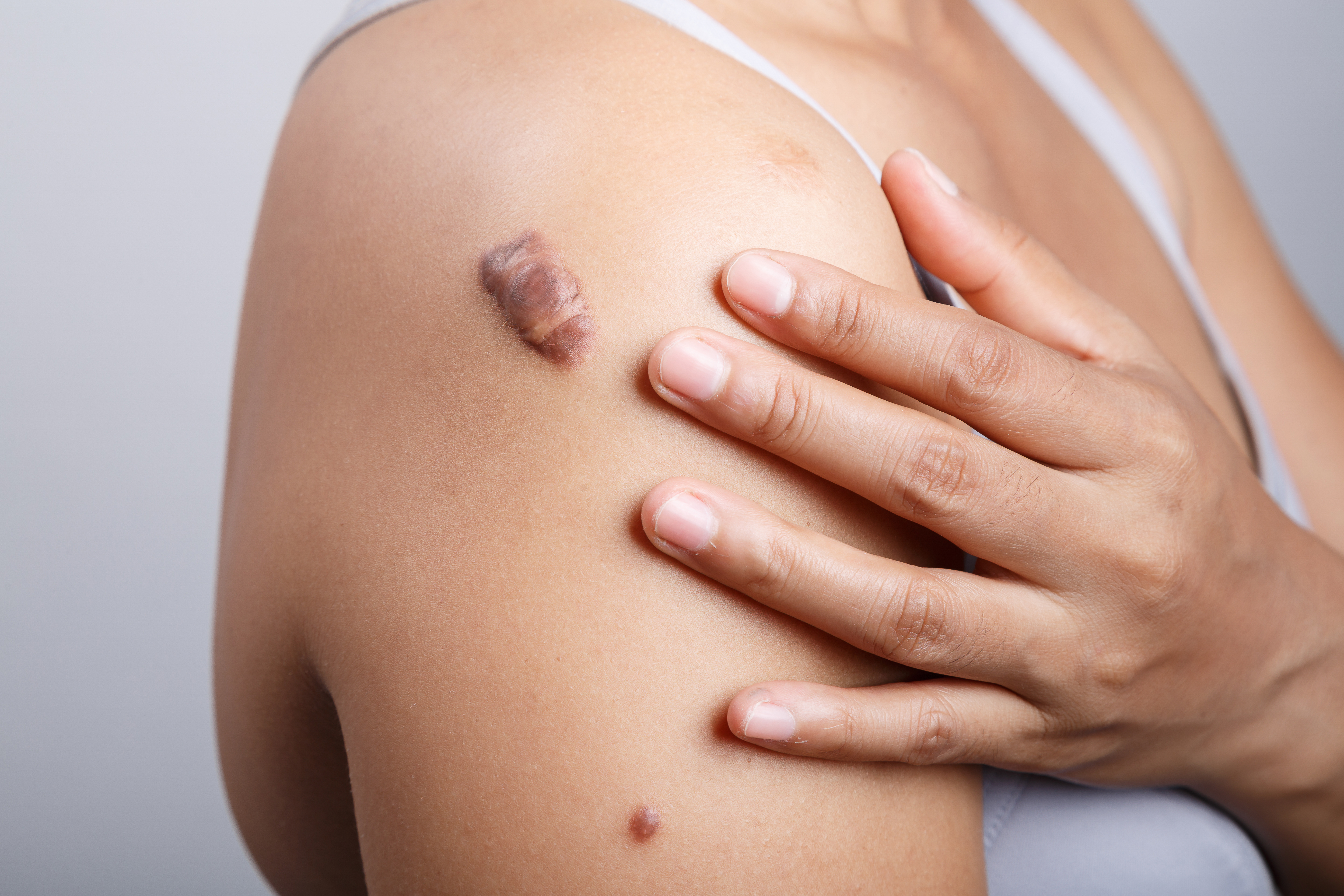
Scars do not all heal the same way. Two of the most commonly confused types are keloid scars and hypertrophic scars. While they can look similar at first, they behave differently and may require different treatment approaches. At East Bay Plastic & Reconstructive Surgery in Oakland, we help patients understand the difference so they can make informed decisions about scar care.
What Is a Hypertrophic Scar?
A hypertrophic scar is a raised scar that forms when the body produces too much collagen during healing. These scars usually stay within the boundaries of the original wound. They may appear red, thick, or firm, especially in the early stages of healing.
Hypertrophic scars often develop after surgery, burns, cuts, or other skin injuries. In many cases, they improve over time, although some remain noticeable without treatment.
What Is a Keloid Scar?
A keloid scar is also raised, but it grows beyond the original injury site. This is one of the biggest differences between a keloid and a hypertrophic scar. Keloids can continue to enlarge over time and may become more prominent than the initial wound itself.
Keloids may develop after acne, ear piercings, surgical incisions, burns, or even minor skin trauma. Some people are more prone to keloid scarring due to genetics or skin type.
Key Differences Between Keloid And Hypertrophic Scars
Although both scars are raised, there are a few important distinctions:
Hypertrophic scars stay within the original wound area
Keloid scars grow beyond the borders of the injury
Hypertrophic scars may flatten with time
Keloids are less likely to go away on their own
Keloids may feel itchy, tender, or uncomfortable for longer periods
Both keloid scars and hypertrophic scars are linked to excess collagen production during healing. The body is trying to repair the skin, but the healing response becomes overactive. Factors such as wound tension, infection, delayed healing, and family history can increase the risk.
When to Seek Treatment
Not every raised scar needs treatment, but some scars affect comfort, confidence, or movement. If a scar becomes thicker, keeps growing, or feels painful or itchy, it may be time for an evaluation. Patients in Oakland often seek treatment when a scar is in a visible area or does not improve as expected. Early treatment may help reduce scar thickness and improve appearance before the scar becomes more established.
Get Expert Care For Keloid And Hypertrophic Scars
Treatment depends on whether the scar is hypertrophic or keloid. Options may include silicone therapy, steroid injections, laser treatment, or surgical revision. In some cases, combination treatment offers the best results. Because keloids have a higher chance of returning, treatment planning should be individualized. A professional assessment can help determine the most effective approach for your skin and scar type.
If you are concerned about a raised scar, contact East Bay Plastic & Reconstructive Surgery to schedule a consultation and learn more about options for hypertrophic or keloid scars. Visit our office in Oakland, California, or call (510) 451-6950 to book an appointment today